
Key Takeaways
1. Mould growth in Singaporean homes is mainly caused by excess humidity, poor ventilation, and trapped moisture from daily habits such as indoor drying and hot showers.
2. Early signs include dark patches, musty odours, peeling paint, and damp spots on walls or ceilings.
3. The first step to effective removal is finding and fixing the moisture source, such as leaks or poor airflow.
4. Safe, non-toxic products like Concrobium® Disinfectant and Concrobium® Mould Control can remove and prevent regrowth.
5. Good ventilation, along with regular use of moisture absorbers, helps keep your home free from mould and mildew.
Why Do Walls Become Mouldy?
Mould growth on walls is common in Singapore homes because our climate is naturally warm and humid. When moisture stays trapped indoors, it creates the right conditions for fungus to grow, especially in areas with poor airflow or recurring dampness.
Mouldy walls are usually the result of excess moisture in your home. This can come from high humidity, leaking pipes, roof or window seepage, condensation, or rooms that do not dry out properly after daily use. Once moisture builds up, mould can begin forming on wall surfaces and may spread if the underlying cause is not addressed.
Common areas where mould appears include:
- Corners of walls where air does not circulate well
- Behind furniture placed too close to the wall
- Around windows where condensation collects
- Bathrooms, kitchens, and service yards
- Bedrooms with air-conditioning used for long hours
- Wardrobes, cupboards, and enclosed storage areas
Daily habits can also contribute to the problem. Drying clothes indoors, taking hot showers without enough ventilation, and keeping windows closed for long periods can all increase indoor humidity. Air-conditioning may also play a part when cold rooms meet warmer morning air, causing condensation to form on walls or surfaces.
The key to preventing mouldy walls is to manage moisture early. Good ventilation, timely leak repairs, and regular checks in hidden or enclosed areas can help reduce the risk of mould returning after cleaning. If the patches keep coming back, it may be a sign that there is a deeper moisture issue that needs proper inspection before treatment.
Signs You Have Mouldy Walls

Spotting mould early can help prevent it from spreading further across your home. In many cases, mouldy walls may start with small surface changes before becoming more obvious, especially in rooms with high humidity, poor airflow, or hidden damp areas.
Common signs to look out for include:
- Black, green, grey, or yellow patches on the wall
- Small black speckles or uneven stains on painted surfaces
- A musty smell, even when no mould is clearly visible
- Peeling paint, bubbling paint, or loose wallpaper
- Damp patches that do not dry properly
- Peeling plaster or soft, powdery wall surfaces
- Furry-looking growth on corners, ceilings, or behind furniture
- Slight discolouration that keeps returning after cleaning
- Tiny mites or insects appearing around damp wall areas
- Persistent sneezing, sniffles, or allergy-like reactions indoors
Some signs are easy to see, while others may point to mould growing beneath the surface or behind furniture. A musty odour, recurring wall stains, or unexplained allergy symptoms can all suggest that moisture is still present somewhere in the room.
If you notice these signs of mouldy walls, it is best to arrange an assessment before the issue worsens. Click here to book your assessment.
How to Remove Mould from Walls Safely
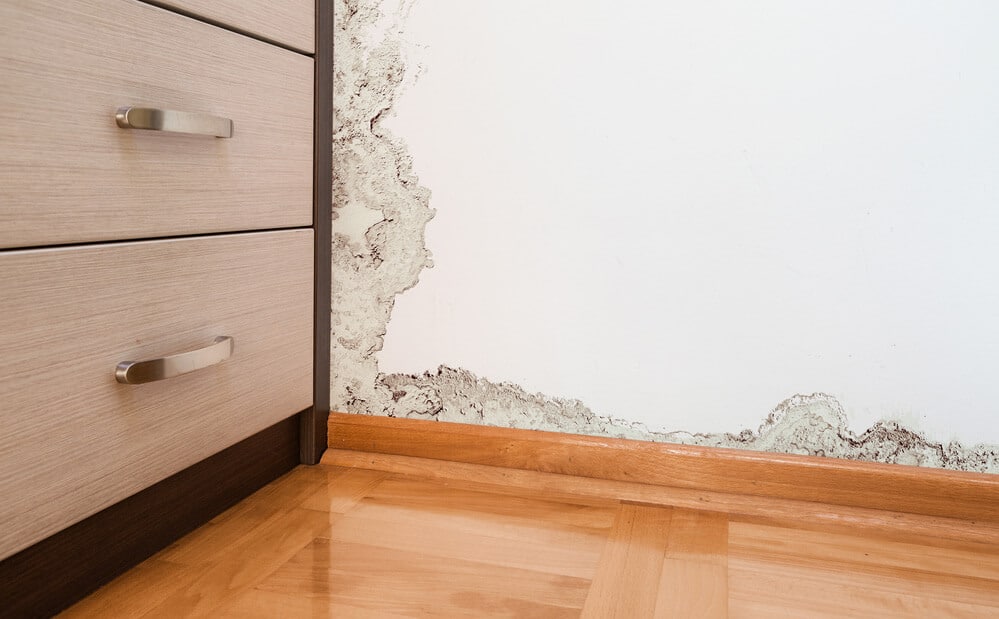
Removing mould from walls should be done carefully, especially when the affected area is large, recurring, or close to ceilings, cupboards, and sleeping areas. While small surface patches may seem easy to wipe away, mould can return if moisture is still present or if the wrong cleaning method spreads spores into the air.
Step 1: Check How Serious the Mould Problem Is
Start by looking at the size, location, and condition of the affected wall. Small patches on a bathroom wall may be easier to manage than mould that keeps returning behind furniture, around windows, or across ceilings.
If the wall feels damp, paint is peeling, or the stain keeps spreading, there may be a deeper moisture issue behind the surface. In these cases, it is safer to arrange a proper inspection before attempting repeated cleaning.
Step 2: Protect Yourself Before Cleaning
Before handling mouldy walls, wear gloves, a mask, and eye protection where possible. Keep the area well ventilated by opening windows or switching on an exhaust fan.
Avoid dry brushing or scraping mould aggressively, as this can release spores into the air. It is also best to keep children, elderly family members, and anyone with allergies or breathing sensitivities away from the area during cleaning.
Step 3: Use a Suitable Mould Treatment Product
For surface mould, use a product that is designed for mould treatment rather than relying only on general household cleaners. Products such as Concrobium Mould Control 1 Gallon can help treat mould on affected surfaces when used according to the product instructions.
For areas that also require disinfection, Concrobium Broad Spectrum Disinfectant II may be suitable as part of a more thorough cleaning process. Always follow the usage directions carefully and avoid mixing different cleaning chemicals.
Step 4: Clean Gently and Allow the Wall to Dry Fully
Apply the selected treatment as directed, then clean the affected area gently without over-saturating the wall. After cleaning, allow the wall to dry completely.
In Singapore’s humid climate, drying time matters. If the room stays damp after cleaning, mould may return quickly. Use fans, natural ventilation, or air-conditioning with proper airflow to help the area dry more effectively.
Step 5: Control Moisture After Cleaning
Cleaning removes the visible problem, but moisture control helps prevent it from coming back. Place moisture absorbers in enclosed spaces, wardrobes, storerooms, or areas where airflow is limited.
Options such as the Thirsty Camel 1kg Hanger, Thirsty Camel 1kg Pouch, or Thirsty Camel 250gm Pouch x3s can help reduce excess moisture in smaller indoor spaces where humidity tends to build up.
Step 6: Get Help for Recurring or Ceiling Mould
If mould keeps returning after cleaning, the source of moisture has likely not been resolved. Ceiling mould, widespread wall mould, or mould linked to leaks should be treated more carefully, as the issue may involve water seepage, condensation, or poor ventilation.
For ceiling-related issues, you may also refer to these ceiling mould removal tips and techniques for more guidance. If you are unsure how far the mould has spread, booking an assessment can help identify the cause and recommend the right treatment before the damage worsens.
How to Prevent Mouldy Walls from Coming Back
After cleaning, the next step is to stop moisture from building up again. Mouldy walls often return when the room stays damp, poorly ventilated, or affected by hidden water leaks. In Singapore’s humid climate, prevention has to be part of everyday home care rather than a one-time task.
To reduce the chances of mould returning, focus on controlling moisture and improving airflow:
- Fix water leaks early
Check pipes, ceilings, windows, and air-conditioning trunking for signs of leakage or seepage. Even a small leak can keep a wall damp enough for mould to grow again. - Improve airflow in enclosed rooms
Open windows when possible, especially after showering, cooking, or drying clothes indoors. Good airflow helps damp surfaces dry faster and prevents moisture from staying trapped. - Use exhaust fans in bathrooms and kitchens
Bathrooms and kitchens produce a lot of steam. Switching on an exhaust fan during and after use can help move humid air out before it settles on walls, ceilings, and corners. - Keep furniture slightly away from walls
Leave a small gap between furniture and walls, especially behind wardrobes, bed frames, cabinets, and sofas. This allows air to circulate and reduces the chance of mould forming in hidden areas. - Avoid drying clothes indoors without ventilation
Wet laundry releases moisture into the room. If clothes need to be dried indoors, keep windows open, use a fan, or place them in a well-ventilated service yard. - Wipe away condensation when it appears
Windows, bathroom walls, and air-conditioned rooms may develop condensation. Wiping these areas dry helps prevent repeated moisture buildup. - Monitor humidity-prone areas regularly
Check corners, window edges, wardrobes, and rooms that are often closed. Early signs such as musty smells or slight discolouration can show that moisture is starting to build up again.
Preventing mouldy walls is mainly about keeping walls dry, rooms ventilated, and leaks under control. When moisture is managed consistently, mould is less likely to return after cleaning.
When Should You Call a Mould Specialist?
DIY cleaning may help with small surface patches, but it may not be enough if the mould is spreading, recurring, or linked to hidden moisture. In these cases, professional help can identify the cause more accurately and reduce the risk of the problem returning.
You should consider calling a mould specialist when:
- Mould keeps coming back after cleaning
- The affected area is large or spreading across walls, ceilings, or corners
- There is a strong musty smell even when mould is not clearly visible
- Paint, plaster, or wallpaper is peeling due to dampness
- There are signs of water leaks, seepage, or condensation issues
- Family members experience repeated allergy-like symptoms indoors
A mould specialist can assess the extent of the issue, check for underlying moisture sources, and recommend a suitable treatment approach. This is especially important for mouldy walls that keep returning despite regular cleaning.
Frequently Asked Questions
1. What causes mouldy walls to appear in the first place?
Mould is a result of excess moisture, often due to poor ventilation, high humidity, or water leaks. Mouldy walls tend to form in corners, behind furniture, or near windows where airflow is limited. For a full breakdown of causes and prevention tips, explore our homepage.
2. How do I safely remove mould from my walls at home?
If you’re wondering how to remove mould from walls, begin by gearing up with a mask, protective eyewear, and gloves—this will shield you from any airborne mould spores or potentially harmful particles. For minor mould spots on non-porous surfaces, use a product like Concrobium® Mould Control, applied with a microfibre cloth. For porous materials or larger issues, professional help is highly recommended. You can book a mould assessment with us for tailored advice and effective treatment options.
3. What’s the best way to get rid of mildew on walls long-term?
The key to how to get rid of mould on walls is identifying the factors causing mould—whether it’s a leak, humidity, or condensation. Once fixed, it is important to use mould-resistant cleaning products and preventative measures. Consider solutions like Mould Prevent Pro, an EPA-registered, botanical-based cleaner and disinfectant designed to inhibit mould growth without harsh chemicals. Additionally, employing moisture-absorbing sachets can help lower humidity levels, a significant contributor to mould development.
4. How do I prevent mould and mildew from coming back once it’s cleaned?
Good ventilation is key—use exhaust fans, open windows regularly, and consider dehumidifiers for damp-prone rooms. After cleaning, continue using moisture absorbers such as the Thirsty Camel pouches to keep humidity under control. For long-lasting results, browse our full range of mould prevention products.