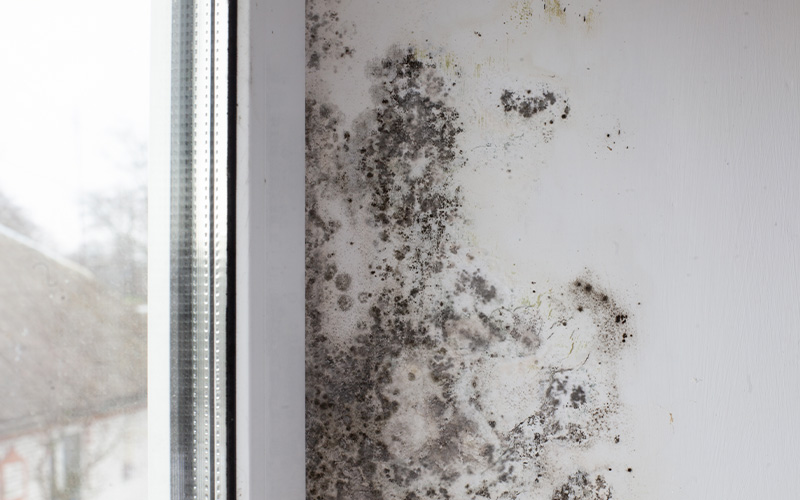
What Is Mould Removal?
Mould removal is the structured process of identifying, containing, removing, and treating mould growth in indoor environments. It goes beyond simply cleaning visible patches on walls or ceilings. Effective mould treatment addresses both surface growth and the underlying conditions that allow mould to develop, such as excess moisture, inadequate ventilation, or water damage.
The process typically involves isolating affected areas to prevent spores from spreading, removing contaminated materials where required, and cleaning remaining surfaces using methods designed specifically for mould remediation. Once visible mould has been addressed, targeted mould treatment is applied to reduce the risk of regrowth and support a safer indoor environment. When carried out properly, mould removal helps improve indoor air quality and limits ongoing exposure to airborne mould spores that may affect comfort and day-to-day well-being.
What is Mould Remediation?
Why is Mould Remediation Challenging?
Mould remediation is challenging in part because mould can grow in so many out-of-sight places, including inside walls, under carpeting, above ceiling tiles, and inside heating and air conditioning ducts. Just locating all the mould can be difficult, and if you miss even a little bit, it will just continue to grow and spread. Soon you’ll have a full-blown mould problem on your hands again.
Mould removal is also challenging because the process disperses many more mould spores into the air, increasing the risk of mould-related illness.
Mould Remediation
Inspection & Assessment
Professional remediation begins with a detailed inspection to understand the extent and factors contributing to mould growth. This step looks beyond visible growth to identify hidden contamination within walls, ceilings, flooring, or ventilation systems. Moisture levels are assessed, contributing factors such as leaks or condensation are identified, and affected areas are mapped out. A thorough assessment ensures the remediation plan is tailored to the specific conditions of the property rather than relying on surface-level assumptions.
Mould Removal
Mould removal involves carefully eliminating mould growth from affected surfaces and materials. Depending on the severity, this may include the removal of porous materials that cannot be safely salvaged, alongside specialised cleaning of structural surfaces. The goal is not only to remove visible mould but also to address contamination that may not be obvious to the naked eye.
When You Need Mould Remediation, Call Mouldgone
Mould issues rarely resolve on their own and often become more complex when left unaddressed. Proper mould remediation requires a structured approach that goes beyond surface cleaning, focusing on containment, removal, and long-term control of mould growth within the indoor environment. Addressing the underlying moisture conditions and managing airborne spores are just as important as removing what can be seen, helping to reduce the risk of recurring problems and ongoing exposure.
If you suspect mould growth in your home or workplace, speak with Mouldgone to arrange a professional assessment and take the next step towards restoring a safer, healthier indoor space.